Sauna access
Inclusive interior design, door widths, seating, and heat-safe materials.
Convened by Kindling, shaped by the group
The Sauna Access Initiative is a shared effort to make sauna work for everyone. We're developing an accessibility standard across sauna, cold plunge, changing and site navigation, so that no one is left at the door.
Where we're starting from
Kindling already holds a set of accessibility requirements for the saunas it commissions: a baseline that applies to every sauna, and a fuller specification for wheelchair accessible builds. We've published it as the initiative's starting point, not its conclusion. Read it, and tell us what it gets wrong.
Why the initiative exists
Genuinely wheelchair-accessible sauna facilities are rare in the UK. Kindling, who convene this initiative, is one of the very few providers offering them, and even then those saunas have been large electric units built for London commercial sites: places with the budget and the footprint to make it work. Accessibility shouldn't depend on either.
The initiative exists to change that, and to make accessible design something every sauna can achieve, on the coast and in the community, not just in premium venues. That means agreeing what good looks like in the open, so any operator or builder can work to it.
Our approach
We're forming a requirements-gathering group that brings together lived experience and expert input across four areas. The group gathers the real needs first, distils them, then works with sauna and cold plunge builders to turn them into physical products and site changes.
Inclusive interior design, door widths, seating, and heat-safe materials.
Safe, dignified routes into cold water.
Moving around the whole site with autonomy.
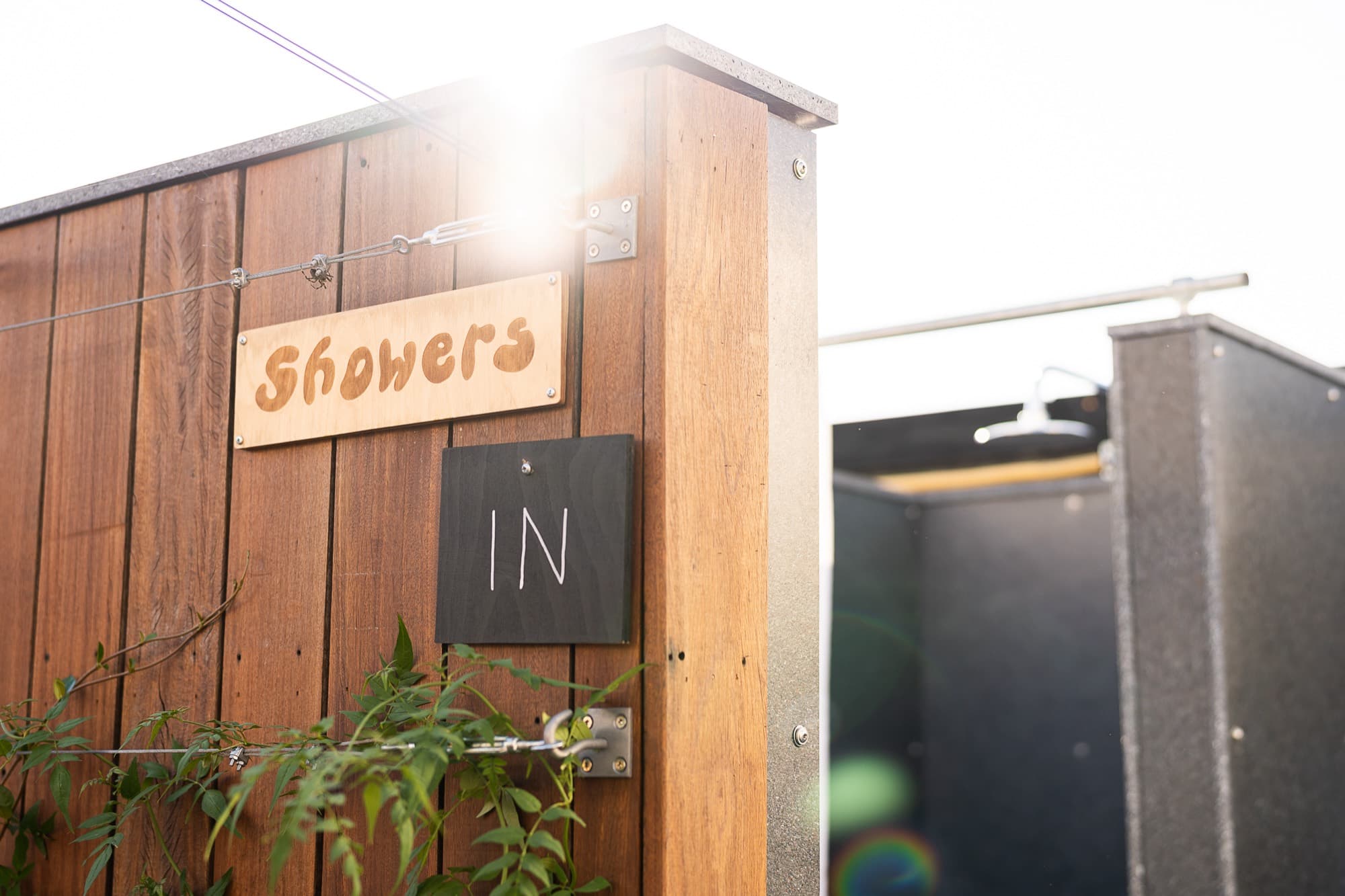
Dedicated, dignified space to manage personal care.
Open questions
The initiative starts from what already exists rather than a blank sheet, and the hard questions are already clear: what seating stays safe and comfortable at sauna temperatures, which fixings and metals can be touched at heat, how to signal a change in level to someone with low vision, and what any of it costs at community scale. Answering those honestly, together, is the work.
How we work
Bring together representatives across wheelchair, visual, hearing and learning accessibility to capture real requirements.
Turn lived experience into a clear, actionable set of design requirements.
Work with manufacturers to translate requirements into real, production-ready saunas and sites.
Who's involved
No single operator can set a standard on its own. The initiative brings together builders, accessibility experts and community organisations, so what comes out of it reflects real needs rather than one company's view.
We're looking for representatives with expertise in visual, hearing and learning accessibility, and organisations who want to help build and promote accessible sauna.